If you’re searching for summer medical internships for high school students, you’re already taking an important step toward a future in healthcare. These programs allow students to explore careers in medicine, gain practical exposure, work alongside healthcare professionals, and strengthen college applications.
Many students believe internships are available only to college students. In reality, a growing number of hospitals, universities, research institutions, and nonprofit organizations now offer structured summer opportunities specifically designed for motivated high school students.
This guide explains how medical internships work, who can apply, where to find legitimate opportunities, and how to prepare a competitive application. Whether your goal is becoming a physician, surgeon, nurse, researcher, pharmacist, or public health professional, a summer internship can provide valuable experience before college.
What Are Summer Medical Internships for High School Students?
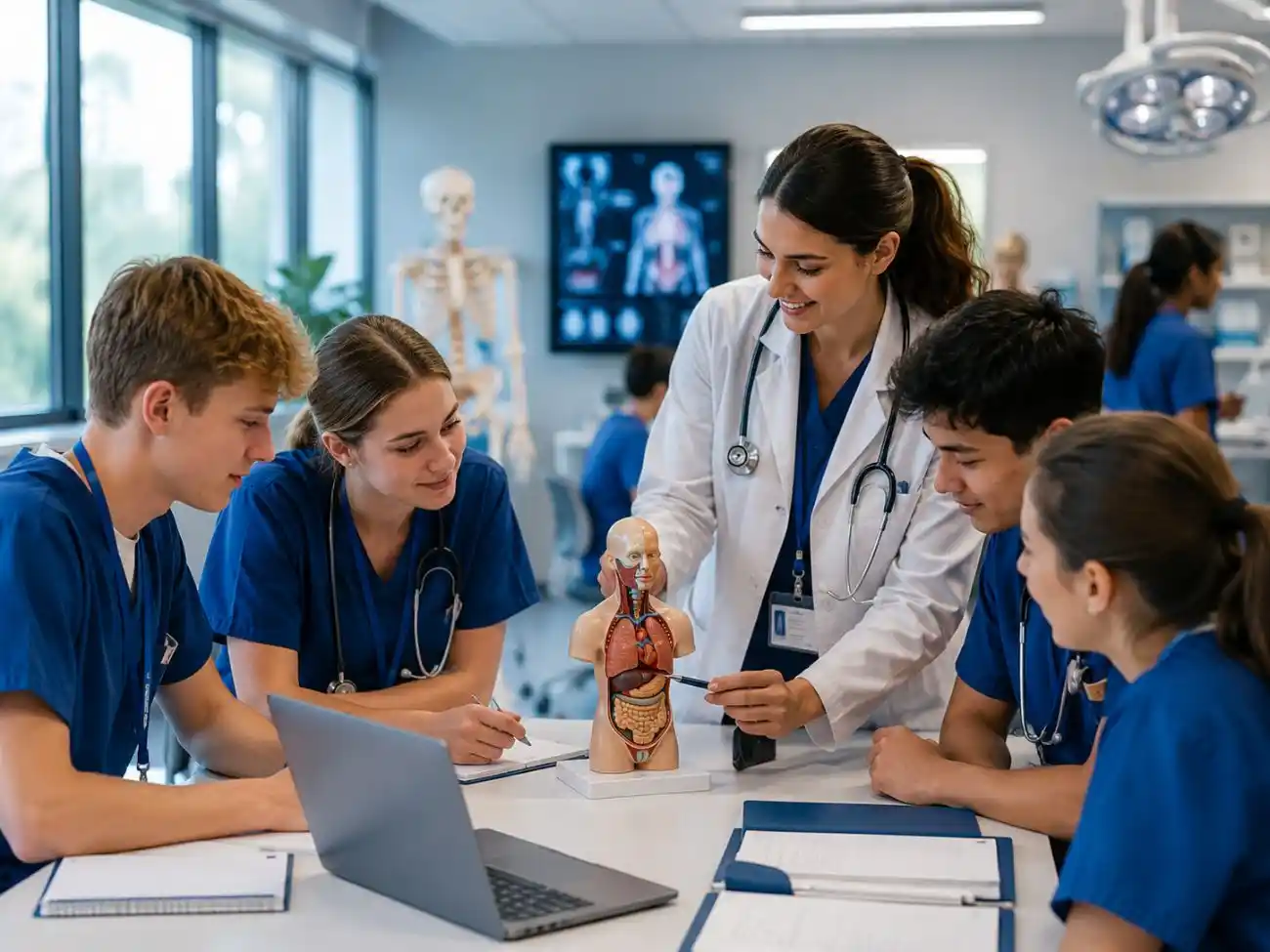
Summer medical internships for high school students are educational programs that introduce teenagers to real healthcare environments. Depending on the organization, students may observe physicians, participate in medical research, attend educational workshops, learn clinical skills in simulation labs, or complete healthcare-related projects.
Most internships are educational rather than clinical because federal and state regulations limit direct patient care by minors. As a result, students usually gain experience through:
- Physician shadowing
- Laboratory research
- Medical education sessions
- Anatomy demonstrations
- Public health projects
- Healthcare career exploration
- Team-based learning activities
These experiences help students understand the realities of medicine before committing to a healthcare career.
Why High School Students Should Consider a Medical Internship
Healthcare is one of the most demanding career fields. Before investing years in medical education, it is helpful to understand what physicians and healthcare professionals actually do.
A quality internship helps students:
- Explore different medical specialties
- Learn professional communication
- Develop critical thinking skills
- Experience healthcare teamwork
- Build confidence in scientific learning
- Demonstrate commitment on college applications
Admissions officers often appreciate applicants who have explored medicine through meaningful educational experiences instead of simply expressing interest.
However, internships alone do not guarantee admission to competitive universities or future medical schools. They are one part of a broader academic profile.
Who Can Apply for Summer Medical Internships for High School Students?
Eligibility varies by organization, but many programs look for students who meet requirements such as:
- Currently enrolled in high school
- Usually at least 15 or 16 years old
- Strong academic performance
- Interest in science or healthcare
- Good communication skills
- Ability to commit to the full program schedule
Some research internships accept only rising juniors and seniors, while others welcome freshmen and sophomores.
Always review the official eligibility criteria before applying.
Types of Summer Medical Internships Available
Not every internship looks the same. Understanding the different categories helps students choose programs that match their interests.
Hospital Observation Programs
Many hospitals organize structured observation programs that give high school students a closer look at how healthcare professionals work across different departments. Participants may have the chance to observe areas such as emergency medicine, surgery, radiology, pediatrics, and nursing, helping them understand the day-to-day responsibilities of each specialty.
Because hospitals must follow strict patient privacy and safety policies, students usually take on an observational role instead of providing direct medical care. Even without hands-on treatment, these experiences offer valuable insight into the clinical environment and can help students decide whether a healthcare career is the right fit.
Medical Research Internships
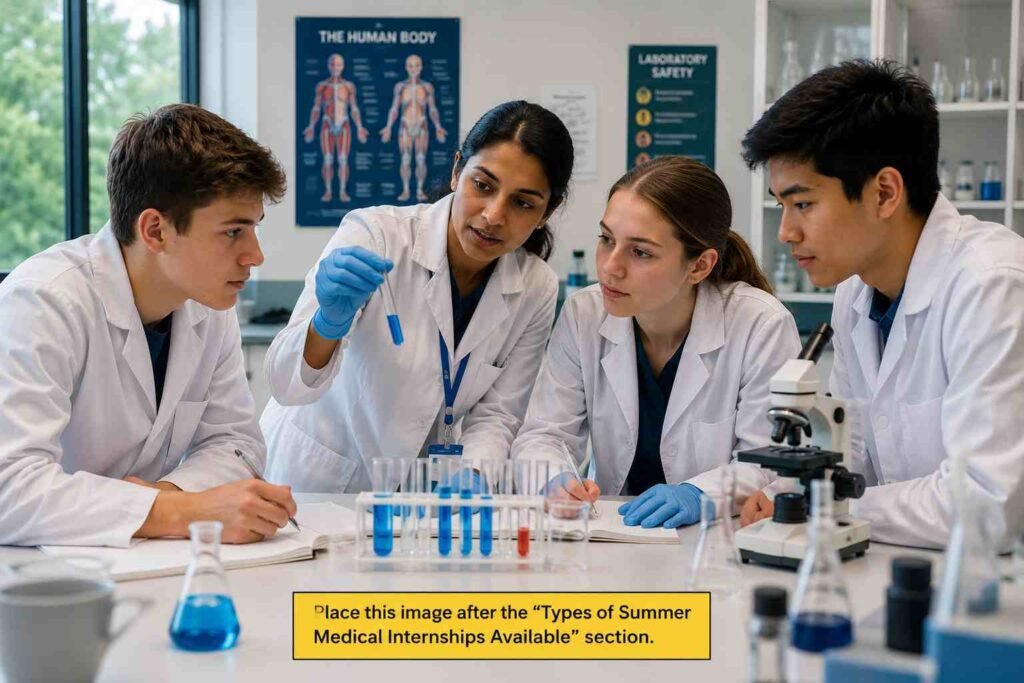
Research internships are commonly offered by universities and biomedical research institutions, giving students early exposure to scientific research and laboratory work.
Students may assist with:
- Laboratory experiments
- Data collection
- Literature reviews
- Scientific presentations
- Research discussions
These programs are excellent for students interested in academic medicine or biomedical science.
Public Health Programs
Public health internships give students the opportunity to understand how communities stay healthy through education, disease prevention, and wellness initiatives. Participants may gain experience in areas such as epidemiology, community outreach, nutrition programs, environmental health, and public health awareness while developing valuable skills for future healthcare careers.
Medical Education Programs
Many universities offer summer medical education programs that introduce students to the basics of medical school through hands-on learning. These programs may include anatomy labs, medical case discussions, CPR training, clinical simulations, and lectures from experienced physicians. Their primary goal is to build knowledge, confidence, and interest in healthcare careers rather than provide employment.
Best Places to Find Summer Medical Internships for High School Students
Finding a high-quality summer medical internship starts with using reliable and trusted sources. Instead of relying on random websites, focus on programs offered by well-known educational and healthcare institutions. These opportunities are usually more organized, educational, and designed specifically for high school students.
University Summer Programs
Many universities and medical schools organize summer programs that introduce students to medicine, healthcare, and biomedical research. These programs are commonly offered through medical schools, schools of public health, research institutes, and university outreach departments. With structured learning, hands-on activities, and guidance from experienced faculty, university-hosted programs provide an excellent way to explore a future career in medicine.
Children’s Hospitals
Many children’s hospitals offer career exploration programs that help high school students learn about the healthcare field in a supportive environment. These opportunities may include hospital tours, physician Q&A sessions, interactive healthcare workshops, and medical simulation activities. By participating, students can better understand different medical careers while gaining valuable exposure to how pediatric healthcare teams work together.
Academic Medical Centers
Academic medical centers, often affiliated with leading universities, provide excellent learning opportunities for students interested in medicine and biomedical research. Their summer internship and educational programs may introduce participants to clinical research, laboratory science, medical technology, and healthcare innovation. These experiences allow students to explore real-world medical environments while developing knowledge and skills that support future healthcare careers.
Government Research Organizations
Some federal agencies and government-supported research organizations offer summer opportunities for qualified students.
These programs are often highly competitive and may require early applications.
Nonprofit Healthcare Organizations
Several nonprofit organizations support future healthcare professionals through educational summer programs.
These experiences often focus on community service, health education, leadership, and public health awareness.
Paid vs. Unpaid Medical Internships
One of the most common questions students have is whether summer medical internships are paid. The answer depends on the organization offering the program. Some internships provide benefits such as hourly pay, a stipend, or support for housing, meals, or transportation. However, many internships are unpaid because their primary purpose is education and career exploration.
An unpaid internship can still be highly valuable if it offers quality mentorship, hands-on learning opportunities, and meaningful exposure to the healthcare field.
What Students Actually Do During an Internship
Students often imagine spending the summer assisting surgeons or treating patients.
In reality, high school internships focus on education.
Activities may include:
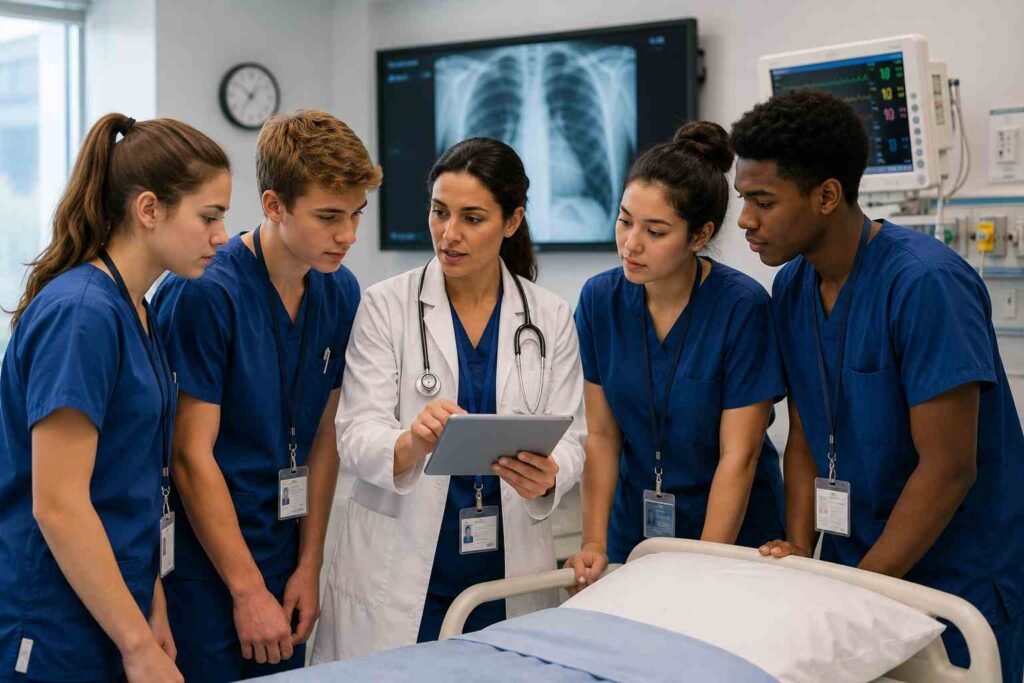
Observing physicians during patient rounds, attending medical lectures, participating in laboratory demonstrations, discussing medical ethics, learning healthcare communication, practicing basic clinical skills in simulation labs, and completing team projects.
Many programs also require students to prepare presentations or reflect on what they learned.
Skills You Can Develop
Even though high school medical internships usually do not involve direct patient care, they help students build important skills that are useful in both college and future healthcare careers. During the program, students often improve their communication, teamwork, time management, problem-solving, and research abilities while learning how to think scientifically and behave professionally in a medical setting. These skills can benefit students long after the internship has ended.
How to Build a Strong Application
Competition for summer medical internships can be high, especially for well-known national programs. A strong application should highlight both good academic performance and a genuine interest in healthcare. To improve your chances of selection, start preparing several months before the application deadline and gather all the required documents in advance.
Maintain Strong Grades
Good academic performance is an important part of a competitive internship application. Many selective programs review school transcripts carefully, and strong grades in subjects like biology, chemistry, and physics can demonstrate that you are well prepared for medical and science-related learning.
Participate in Volunteer Activities
Healthcare-related volunteer experience shows commitment to serving others.
Examples include:
- Community health events
- Food banks
- Senior centers
- Local nonprofit organizations
- School health clubs
Volunteer work does not have to occur inside a hospital to be meaningful.
Write a Thoughtful Personal Statement
Avoid saying only that you want to become a doctor.
Instead, explain:
- What inspired your interest
- What experiences shaped your goals
- What you hope to learn
- How the internship fits your future plans
Specific examples create a stronger application than general statements.
Request Strong Recommendation Letters
Strong recommendation letters can make your internship application more competitive. Choose teachers or mentors who know your academic abilities, work ethic, and interest in healthcare. Science teachers, research mentors, and school counselors are often good choices because they can provide meaningful examples of your strengths. Be sure to ask for a recommendation several weeks before the application deadline so they have enough time to write a thoughtful and detailed letter on your behalf.
When Should Students Apply?
Many prestigious summer medical internships begin accepting applications between late fall and early spring for the following summer. Highly competitive programs may close applications months before summer begins. Students should begin researching opportunities at least six to eight months in advance. Creating a calendar of deadlines helps avoid missing important dates.
Common Mistakes to Avoid
Students sometimes reduce their chances by making avoidable mistakes. Some of the most common include: Applying at the last minute, submitting generic essays, ignoring eligibility requirements, failing to proofread applications, and assuming every hospital offers internships. Research each program carefully before applying.
Virtual Summer Medical Internships
Some organizations now offer virtual learning opportunities.
Online programs may include:
- Interactive lectures
- Virtual research experiences
- Medical case discussions
- Telehealth education
- Career mentoring
Virtual internships cannot fully replace in-person experiences, but they remain valuable for students who cannot travel.
Can Medical Internships Help College Admissions?
Meaningful extracurricular activities can strengthen a college application when combined with strong academics.
Admissions committees generally value:
- Long-term commitment
- Genuine curiosity
- Leadership
- Community involvement
- Academic achievement
Simply attending an internship does not guarantee admission to competitive colleges. What matters most is how students grow from the experience and continue building their interests afterward.
Alternatives if You Cannot Find an Internship
Medical internships are competitive, and many qualified students are not selected. Fortunately, there are other ways to explore healthcare careers.
Students can:
- Shadow a local physician if permitted by hospital or clinic policies.
- Volunteer with community organizations that support public health initiatives.
- Join science clubs or Health Occupations Students of America (HOSA) if available at school.
- Participate in biomedical research competitions.
- Complete healthcare-related community service projects.
- Enroll in reputable university summer enrichment courses.
These experiences can also demonstrate initiative and sustained interest in medicine.
Conclusion
Finding the right summer medical internships for high school students takes time, but the effort is worthwhile. A well-structured internship offers a realistic view of healthcare, introduces students to experienced professionals, and helps them make informed decisions about future careers.
Rather than applying to every available program, focus on opportunities that match your interests, meet your eligibility, and provide meaningful educational experiences. Strong preparation, thoughtful applications, and early planning can significantly improve your chances of acceptance.
Whether your future lies in medicine, nursing, biomedical research, pharmacy, or public health, a summer internship can be an excellent first step toward building knowledge, confidence, and long-term career goals.
Faq: Frequently Asked Question
Are summer medical internships for high school students paid?
Some programs provide stipends or hourly pay, while many educational internships are unpaid. Compensation depends entirely on the sponsoring organization.
Can freshmen apply?
Yes, although many competitive internships prefer rising juniors or seniors. Eligibility requirements vary by program.
Do students work directly with patients?
Most high school interns do not provide direct patient care because of safety, privacy, and legal requirements. Instead, students participate in observation, education, research, and supervised learning activities.
Do internships guarantee admission to medical school?
No. Medical school admission depends on many factors, including undergraduate academic performance, entrance exam scores, research, clinical experience, leadership, and other qualifications earned later in a student’s educational journey.
Are virtual internships worth it?
A well-designed virtual program can provide valuable learning, mentorship, and career exploration, especially when in-person opportunities are unavailable.
